Crafting the perfect pizza: Tips and tricks for irresistible homemade pies







Posted on 01/07/24 at 08:00
- How to make pizza.
- These tips will help you craft the perfect pie.
- It’s easier than you think!
Creating the perfect homemade pizza is an adventure in cooking that combines both art and science.
The magic of a well-made pizza lies not just in its taste but also in the satisfaction of crafting something special in your own kitchen.
For many, the journey begins with a craving for that perfect slice, followed by the excitement of mixing, kneading and assembling their dream pizza.
We will guide you through each step of making a homemade pizza, from selecting the right ingredients to the final satisfying bite.
How to make pizza: Choosing the right flour for your dough
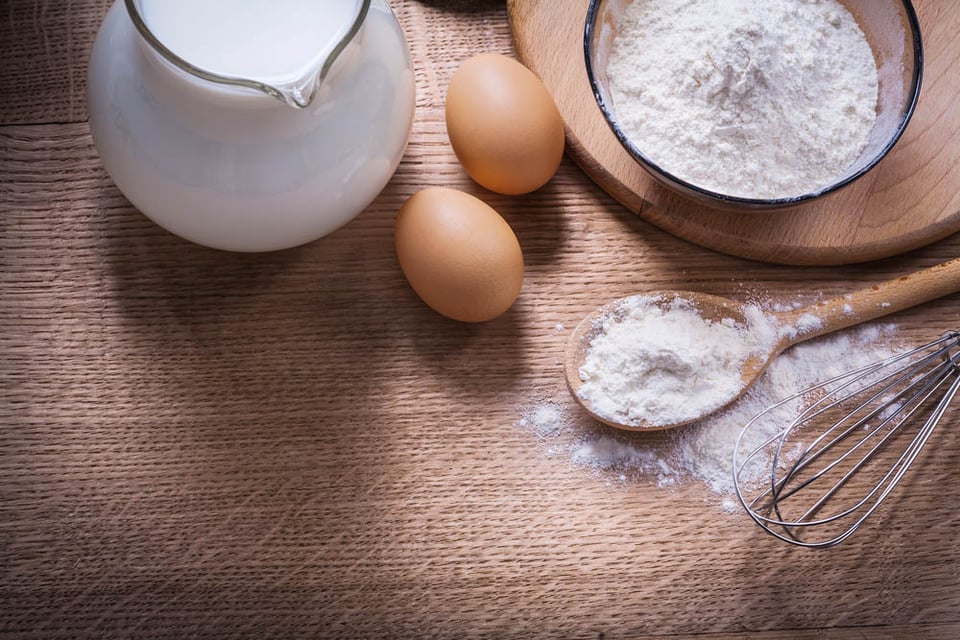
The key to an exceptional pizza begins with the the dough — and selecting the right type of flour is critical to its success.
For a classic Neapolitan-style pizza, ’00’ flour is highly recommended due to its fine texture and high gluten content.
Bread flour is also an excellent option for those who prefer a chewier, more bread-like crust, as it also has a high gluten content that adds structure and chewiness to the dough.
Whichever flour you choose, it’s important to ensure it’s of high quality.
Mastering the dough-making process

Creating the perfect pizza dough is a process that requires attention to detail and a bit of patience.
The dough is made by combining flour, water, yeast and salt.
However, the real magic happens during the kneading process, which develops the gluten in the flour, giving the crust its characteristic chewy texture.
Allowing the dough to rise until it doubles in size is a crucial step, as it helps create a light and airy crust with the perfect balance of crunch and chewiness.
The art of stretching your dough
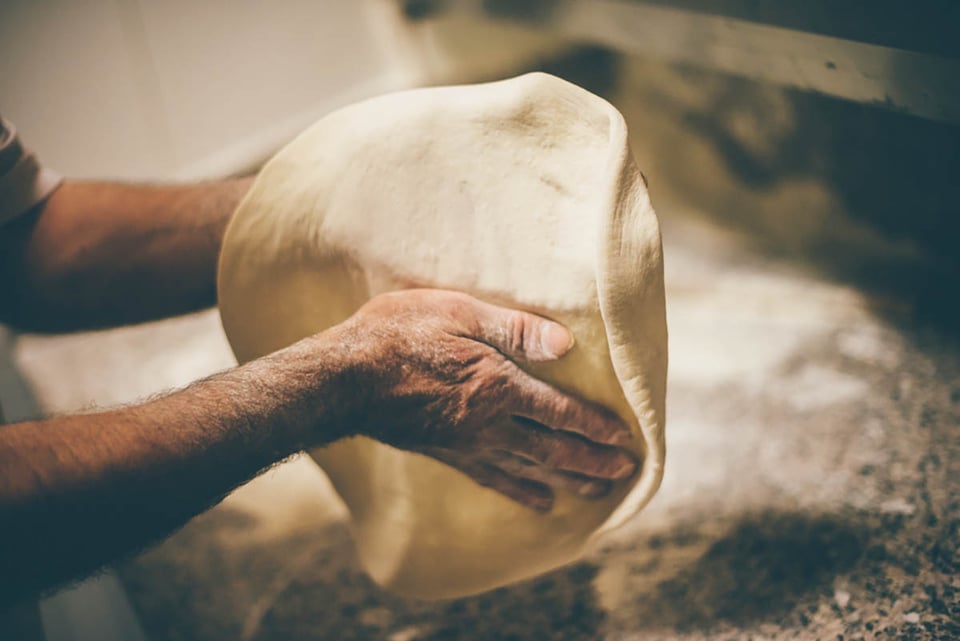
Mastering the art of stretching pizza dough is essential for achieving the ideal base for your toppings.
Begin by gently flattening the risen dough into a flat circle, then carefully stretch it over your knuckles, rotating and pulling gently to expand it without tearing.
Avoid using a rolling pin, as this can compress the dough’s air bubbles, leading to a crust that’s dense and flat rather than light and airy.
The goal is to achieve an even thickness throughout the dough, but don’t stress about the shape; a slightly irregular, hand-stretched crust adds character to your homemade pizza.
Perfecting the sauce
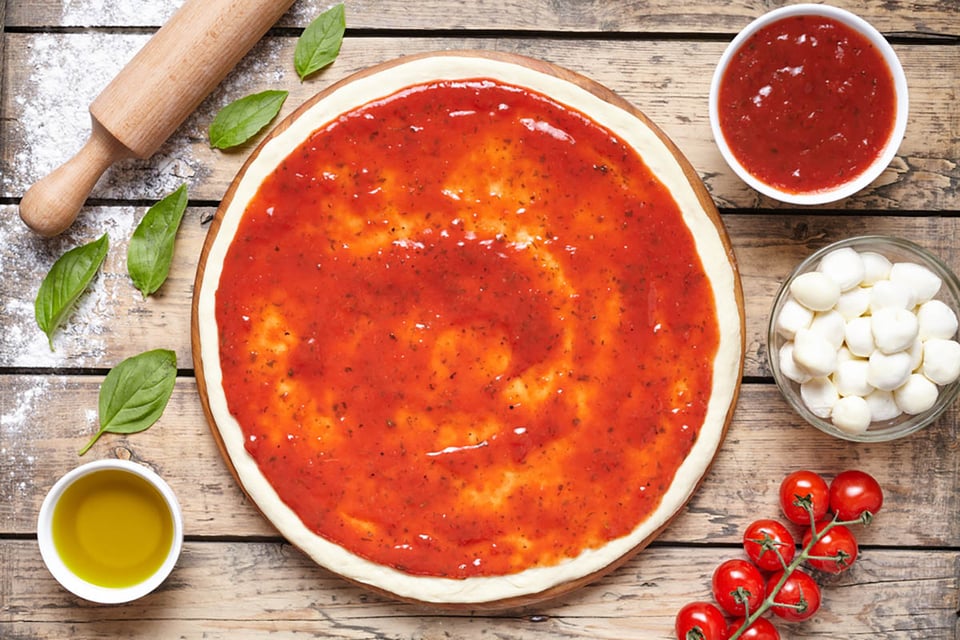
A great sauce is the heart of a flavorful pizza, and making your own is a simple yet effective way to elevate your pizza.
Start with a base of crushed tomatoes, adding garlic, herbs like basil or oregano, a pinch of salt and a hint of sugar to balance the acidity.
For an added depth of flavor, a splash of olive oil and a pinch of red pepper flakes can be included in the sauce.
Feel free to experiment with different herbs and spices to tailor the sauce to your liking, creating the perfect complement to your chosen toppings.
How to make pizza: Cheese makes the difference
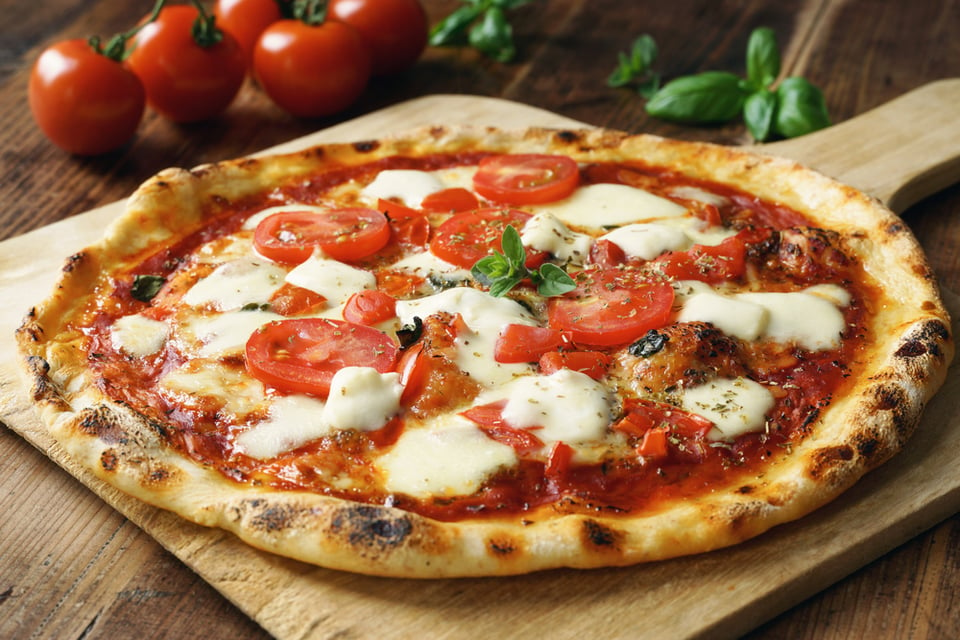
The type of cheese you choose can significantly impact the overall taste and texture of your pizza.
Mozzarella is a classic and popular choice for pizza due to its excellent meltability and mild, creamy flavor.
For a more complex flavor profile, consider blending mozzarella with other cheeses like sharp Parmesan, smoky Gouda or tangy blue cheese.
Use cheese judiciously, as too much can make the pizza overly heavy and greasy, detracting from the other flavors.
Cooking your pizza to perfection
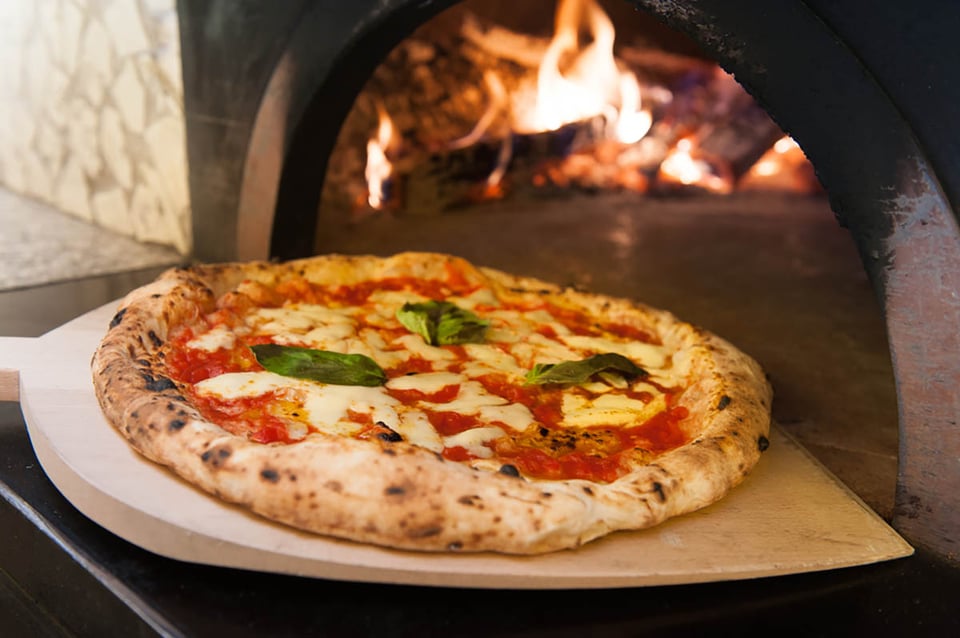
The method of cooking is crucial in achieving the perfect homemade pizza.
If available, use a pizza stone, preheating it in your oven at the highest temperature for at least 30 minutes for a crispier crust.
In the absence of a pizza stone, a heavy baking sheet can serve as a suitable alternative.
Bake your pizza until the crust turns a golden brown, and the cheese bubbles and starts to get a slight golden tint, indicating it’s perfectly cooked.